
Residential Gutter Materials Compared: Aluminum, Steel, Copper, and Vinyl
Homeowners exploring residential gutter materials compared: aluminum, steel, copper, and vinyl can rely on local contractors to help choose and install the best option for their needs.
Understanding the differences among residential gutter materials-such as aluminum, steel, copper, and vinyl-is essential for property owners seeking durable and effective gutter systems. Each material offers unique benefits and considerations, making it important to choose the right option based on factors like longevity, maintenance needs, and aesthetic appeal. Property owners in the area who are exploring gutter installation or replacement will find that local contractors are well-equipped to help evaluate these materials and recommend solutions tailored to their specific homes and budgets. Continuing to read can provide valuable insights into how these choices impact the overall performance and appearance of residential gutters.
For those considering installation or upgrades, knowing the practical distinctions between aluminum, steel, copper, and vinyl gutters can make a significant difference in making an informed decision. Local service providers specializing in residential gutter installation can assist in selecting the best material to withstand local weather conditions, complement home styles, and meet maintenance expectations. By understanding the options available, property owners can better collaborate with experienced contractors to ensure a gutter system that enhances both the function and curb appeal of their homes.
- Residential gutters installation with aluminum materials - homeowners considering lightweight and corrosion-resistant options often turn to local contractors for expert installation.
- Steel gutter installation services - those seeking durable and strong gutter systems for high-traffic or heavy-weather areas can rely on local service providers for proper setup.
- Copper gutters installation - clients interested in long-lasting, visually distinctive gutter materials often work with local pros experienced in handling delicate and high-end metals.
- Vinyl gutter installation services - property owners looking for affordable and easy-to-install gutter solutions typically contact local contractors familiar with vinyl systems.
- Residential gutter materials compared: aluminum, steel, copper, and vinyl - individuals weighing different options for their homes often consult local pros to ensure proper installation and material suitability.

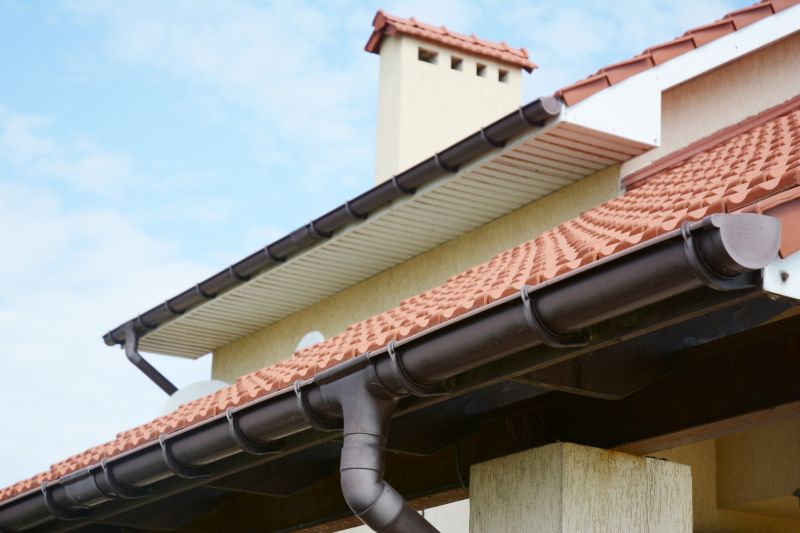
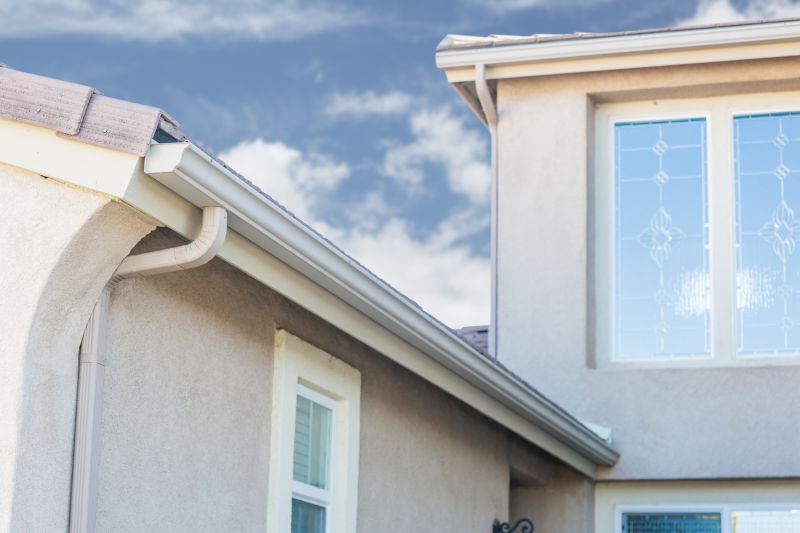
When homeowners search for information on residential gutter materials compared: aluminum, steel, copper, and vinyl, they are typically exploring options for replacing or upgrading their existing gutter systems. These searches often relate to projects aimed at improving property protection from water damage, preventing foundation issues, or enhancing curb appeal. Many property owners want to understand the differences in durability, appearance, and maintenance needs among various materials to make informed decisions that align with their property's specific requirements. This process is especially common when planning a full gutter replacement or installation, particularly for homes experiencing frequent clogs, leaks, or damage to their current gutters.
The topic of residential gutter materials compared: aluminum, steel, copper, and vinyl often connects to problems like corrosion, warping, or frequent repairs, prompting homeowners to seek more reliable solutions. It also ties into plans for better drainage management, especially in areas prone to heavy rainfall or snow. Property types that frequently come up include single-family homes, historic houses, and newer constructions. Each of these property types may have unique aesthetic or structural considerations that influence which gutter material is most suitable. For example, older homes might benefit from copper for its classic look, while newer residential buildings might prioritize low-maintenance vinyl or aluminum options.
Understanding the differences among these gutter materials helps homeowners identify what features matter most for their property. Aluminum gutters are popular for their balance of affordability and durability, resisting rust and requiring minimal maintenance. Steel gutters are known for strength and longevity but may need protective coatings to prevent rust over time. Copper gutters are highly durable and develop an attractive patina, making them a favored choice for historic or upscale homes, though they tend to be more expensive. Vinyl gutters are lightweight and easy to install, making them a common choice for budget-conscious projects, but they may be less durable in extreme weather conditions. Local service providers specializing in residential gutter installation can help evaluate which material best fits the property's needs and aesthetic preferences.
Choosing the right gutter material involves considering factors like climate, property style, and long-term maintenance. Homeowners often rely on local contractors to provide expert guidance tailored to their specific circumstances. These professionals can assess the property's architecture, exposure to weather elements, and existing drainage issues to recommend the most suitable material. They also handle the installation process, ensuring that the chosen gutters are properly fitted and secured for optimal performance. Connecting with experienced local pros ensures that the selected gutter material not only enhances the property's protection but also aligns with the homeowner’s maintenance expectations and aesthetic goals.
Metal fabrication projects - tasks involving cutting, shaping, and installing metal components are similar to working with aluminum, steel, and copper gutters, requiring precision tools and planning skills that local contractors possess.
Home exterior remodeling - projects that involve planning and installing various siding or cladding materials share techniques with gutter material comparisons, often needing similar material handling and installation expertise from local service providers.
Roof flashing installation - involves working with metal materials and precise sealing techniques, aligning with tasks performed when installing or replacing gutter systems using different materials like vinyl or copper.
Downspout and drainage system setup - requires understanding of water flow management and material compatibility, which parallels the planning involved in selecting and installing residential gutter materials compared by local contractors.
Deck and porch railing installation - involves working with metal or vinyl components, requiring similar planning, cutting, and fastening skills as those needed for installing gutters made from aluminum, steel, or vinyl.
Cladding and siding projects - involve selecting and installing exterior materials that require precise measurement and fastening, similar to the considerations when comparing and installing different gutter materials with local service providers.

When evaluating residential gutter installation services, it is important to consider the experience of local contractors with similar projects. Contractors who have handled a variety of gutter materials-such as aluminum, steel, copper, and vinyl-are more likely to understand the nuances of each type, including their installation requirements and long-term performance. Asking about previous work with these materials can provide insight into their familiarity and comfort level, helping homeowners feel more confident in selecting a service provider capable of delivering quality results tailored to the specific gutter material chosen.
Clear written expectations are essential when comparing local contractors for gutter installation. Well-defined project scopes, including material specifications, installation procedures, and warranty details, help ensure that both parties understand what will be delivered. Homeowners should seek service providers who can articulate their process and set realistic expectations upfront, reducing the chances of misunderstandings or surprises during the project. This clarity also aids in comparing proposals and making informed decisions based on the scope of work and the level of detail provided.
Reputable references and good communication are key factors in selecting a reliable service provider. Local contractors with positive references from previous clients demonstrate a track record of satisfactory work, especially in projects involving different gutter materials. Effective communication throughout the process-whether answering questions, providing updates, or clarifying options-helps ensure the project runs smoothly and meets expectations. Homeowners are encouraged to inquire about references and observe how well the contractor listens and responds, as these qualities often reflect their professionalism and commitment to customer satisfaction.
Property owners often search for residential gutter materials compared: aluminum, steel, copper, and vinyl when they are planning practical projects around their homes and businesses. Local pros provide Residential Gutters Installation services for everyday jobs and straightforward project options.
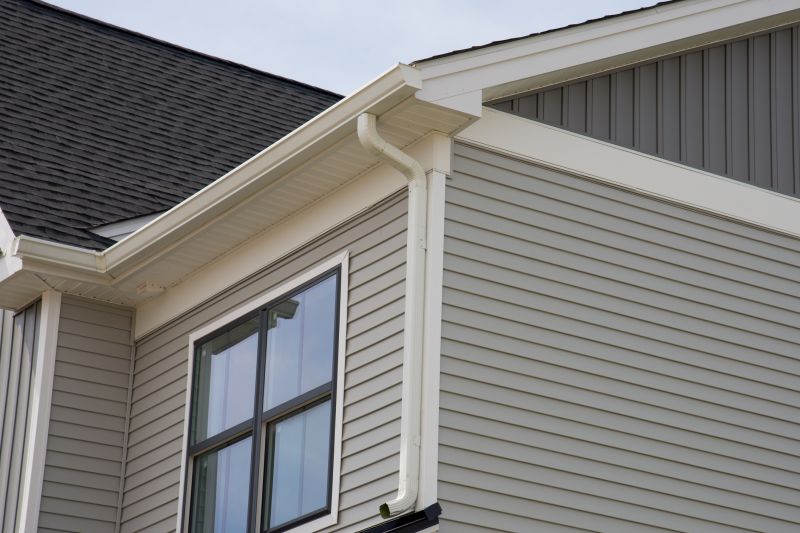
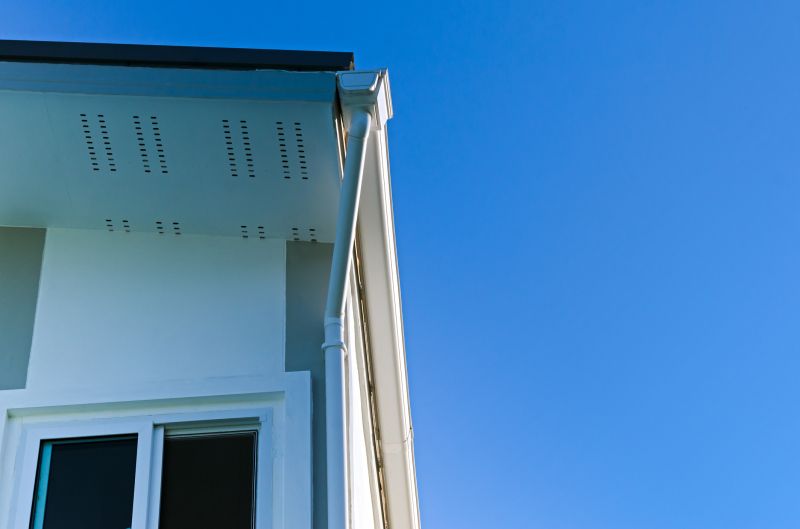
Understanding the differences between residential gutter materials compared: aluminum, steel, copper, and vinyl, can help property owners make informed decisions when planning gutter installation or replacement projects. Aluminum gutters are popular for their lightweight nature and resistance to rust, making them a practical choice for many homes. Steel gutters, on the other hand, are known for their strength and durability, which can be advantageous in areas prone to heavy rain or strong winds. Copper gutters offer a distinctive appearance and tend to develop a unique patina over time, often appealing to those seeking a more decorative or long-lasting option. Vinyl gutters are typically affordable and easy to install, making them a common choice for DIY projects or budget-conscious homeowners.
For property owners exploring gutter options, understanding these material differences can influence the selection process and ensure the gutters meet specific needs. Local contractors who specialize in residential gutter installation can provide guidance on the best materials suited for the local climate, property style, and maintenance preferences. They can help evaluate the advantages and potential drawbacks of each material, ensuring the chosen gutters provide reliable performance and enhance the home's curb appeal. Connecting with experienced service providers can streamline the process of selecting and installing the right gutters, tailored to the unique requirements of each property.
What are the main differences between aluminum, steel, copper, and vinyl gutters? Residential gutter materials compared: aluminum, steel, copper, and vinyl vary in durability, appearance, and maintenance needs. Local contractors can help assess which material suits a home's style and environment.
Which gutter material is most resistant to rust and corrosion? Among residential gutter materials compared, steel and copper tend to resist rust better than vinyl, but copper offers natural corrosion resistance. Local service providers can recommend the best option based on local climate conditions.
How do the aesthetics of different gutter materials compare? Aluminum and copper gutters often provide a more polished or distinctive look, while vinyl is typically more affordable and available in various colors. Local pros can assist in choosing materials that match the home's exterior style.
What are the typical maintenance requirements for each gutter material? Aluminum and vinyl gutters usually require less maintenance, whereas steel and copper may need periodic inspections for rust or patina. Local contractors can advise on upkeep based on the selected material.
Are some gutter materials better suited for certain climates or weather conditions? Yes, residential gutter materials compared: aluminum and copper perform well in various climates, while steel may be more suitable in heavy rainfall areas. Local service providers can recommend materials optimized for specific weather patterns.
Assessing durability - Property owners can consider how different residential gutter materials compare in resisting rust, corrosion, and physical damage when planning gutter replacement or new installations with local contractors.
Matching aesthetic preferences - Homeowners might choose among aluminum, steel, copper, and vinyl based on the visual style they want to achieve, with local service providers helping select and install the best option.
Evaluating maintenance needs - Property owners can evaluate how often each gutter material requires cleaning or repairs and work with local pros to select a low-maintenance solution suited to their property.
Considering climate suitability - Homeowners can discuss with local contractors which gutter materials perform best in their local climate, ensuring long-lasting protection for their home.
If you are thinking about residential gutter materials compared: aluminum, steel, copper, and vinyl for a property, this guide is meant to help you understand this topic, the typical project types, and how different options might fit your plans.
When you are ready, you can use the quote form on this page to share a few details about your project. From there, local pros can review the basics and follow up with options that match what you have in mind.